Powering the future: how satellite IoT is empowering the Energy Industry
The energy industry is on the cusp of a transformative era.
Driven by a growing demand for clean energy, a rise in distributed generation sources, and the need for efficient grid management, the sector is embracing innovative technologies like Satellite Internet of Things (IoT) to optimize operations, unlock new possibilities, and ultimately, revolutionize the way we produce, distribute, and consume energy.

The energy market Landscape: demand and challenges
The global energy market is experiencing a surge in demand. Driven by population growth, urbanization, and increasing electrification, the International Energy Agency (IEA) forecasts a 1.8% annual rise in global energy consumption until 2050.
Below the interactive chart shows how global energy consumption has been changing from year to year. The change is given as a percentage of consumption in the previous year.
We see that global energy consumption has increased nearly every year for more than half a century. The exceptions to this are in the early 1980s, and 2009 following the financial crisis.
Global energy consumption continues to grow, but it does seem to be slowing — averaging around 1% to 2% per year.
However, this demand must be met with a focus on sustainability and environmental responsibility. Traditional energy sources like coal, oil, and natural gas still dominate the market, but concerns about their environmental impact are pushing for a shift toward renewable sources like solar, wind, and geothermal energy. This shift, coupled with increasing energy demands from a growing global population, necessitates smarter and more efficient energy management systems. Clean energy has risen by 40% since 2020, but integrating them into existing grids presents challenges.
Traditional methods of grid management face limitations:
- Limited visibility: Utilities often lack real-time data on energy usage and infrastructure health across vast geographical areas.
- Inefficient distribution: Traditional grids struggle to distribute energy from geographically dispersed renewable sources efficiently.
- Maintenance challenges: Identifying and addressing maintenance issues in remote locations can be time-consuming and expensive.
Oil and gas pipelines network and issues
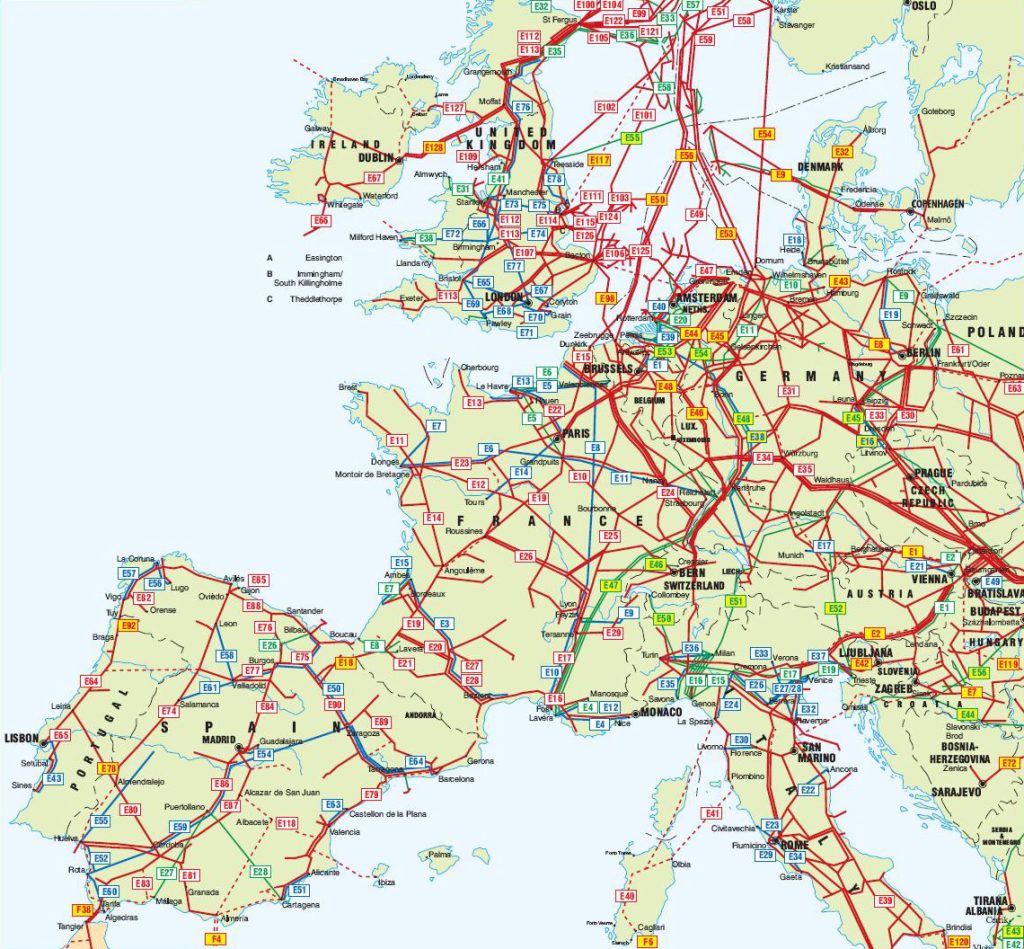
Oil and gas pipelines play a crucial role in transporting energy resources across vast distances, supporting industries and communities alike. To ensure the safe, efficient, and uninterrupted flow of these valuable resources, regular maintenance of these pipelines is of paramount importance. According to Global Energy Monitor, there are 1.36 million km of combined oil and gas pipelines in the world today, that’s enough to circle Earth 30 times.
Shut down even one of these, and the economic consequences can be dire – as we saw in the recent price hike during and post-COVID phase, 2020-2023.

Oil bunkering
As energy prices continue to rise, theft from oil & gas pipelines is increasingly prevalent. Crude oil theft is common in producing countries around the world. A United Nations report on “Countering global oil theft: responses and solutions” revealed that oil is the largest stolen natural resource globally, while fuel is the most smuggled natural resource costing US$133 billion annually. The report also noted that oil theft equates to 5–7 percent of the global crude oil and petroleum fuel market.
In Nigeria, 620 million barrels of crude oil have been stolen, with approx. valuation of $46 billion between 2009 and 2020. In Mexico, oil theft had increased from 5.1 million barrels in January 2023 to 7.5 million barrels in April 2023.
Illegal hot tapping, the creation of a branch line to divert flow from a pipeline, is becoming more common, yet remains difficult to detect.
Leaks & corrosion
Pipelines that are not adequately maintained can pose significant safety risks to both the environment and nearby communities. Leaks, corrosion, and other issues can lead to accidents, fires, and even explosions. It also can result in ecological disasters, contaminating soil, water bodies, and wildlife. The Global Incident Maps reported approximately 1,000 pipeline incidents per year from 2010 to 2018 and generated loss of multi-billion dollar.
In 2022, Nord Stream pipeline damage in the Baltic caused unprecedented loss of marine life and climate due to methane escape.
Satellite IoT: A beacon of change
Low Earth orbiting (LEO) satellites are a new revolution in IoT compared to the Geo-stationary satellites in recent times. A single LEO satellite can collect data from anywhere in the world at least once per day to 6-8 times per day basis. They can receive data from sensors with satellite connectivity capabilities located on the ground and eventually deliver them to the customers.
According to Businesswire’s report, the global IoT in the oil and gas market is expected to reach $43.48 billion by 2024, rising at a CAGR of 21.86% from 2019 to 2024.
Integration of Satellite within the IoT sector offers a powerful solution to the challenges by enabling seamless connectivity in remote areas where terrestrial networks are unreliable or unavailable. The focus on sensing and optimizing IoT connectivity in asset management, preventive maintenance, pipeline monitoring, and security systems has streamlined efficiency significantly, but more still needs to be done.
With a small pico-satellite, Apogeo Space’s greatest strength, and what separates it from the cumbersome and expensive VSAT widely used currently, is how it handles low-power communications (LoRa Protocol) with a cheap price range.
Here’s how it’s transforming the energy and utilities industry:
Smart grid management:
- Sensor networks: A network of sensors embedded across power grids can collect real-time data on energy consumption, equipment health, and environmental conditions.
- Data-driven insights: This data empowers utilities to optimize energy distribution, predict outages, and identify potential maintenance issues before they escalate.
- Dynamic pricing: Real-time data allows utilities to implement dynamic pricing models that incentivize energy conservation during peak demand periods.
Renewable energy integration:
- Remote monitoring: Satellite IoT facilitates real-time monitoring of widely dispersed renewable energy sources like wind farms and solar panels.
- Improved forecasting: Data on weather patterns and energy generation can be used to improve the accuracy of renewable energy forecasting, leading to better grid integration.
- Microgrid management: Satellite connectivity enables the efficient management of microgrids and small localized energy systems that utilize renewable sources in remote areas.
Advanced metering infrastructure (AMI):
- Smart meters: These meters equipped with satellite connectivity provide accurate, real-time data on individual energy consumption patterns.
- Customer engagement: Consumers gain insights into their energy usage, allowing them to make informed choices and implement energy-saving measures.
- Reduced theft and tampering: Satellite-based communication eliminates the risk of tampering with meters, ensuring accurate billing and revenue protection for utilities.
Asset management and maintenance:
- Remote sensing: Sensors on critical infrastructure like transformers and pipelines can transmit data on their health (leakage and corrosion detection) and performance via satellite.
- Predictive maintenance: This enables utilities to identify potential issues before they lead to breakdowns, saving time, resources, and preventing costly outages.
- Improved safety: Real-time data on infrastructure health helps ensure the safety of workers and the public.
- Improved resource allocation: Satellite communication can facilitate communication with technicians in the field, enabling them to prioritize tasks and optimize their time.
The road ahead: collaboration and sustainable innovation
The successful implementation of Satellite IoT in the energy sector requires close collaboration between technology providers, utilities, and regulatory bodies. Standardization of protocols and data security measures will be crucial for widespread adoption.
Furthermore, continuous innovation in areas like sensor technology, low-power communication protocols, and data analytics will unlock the full potential of Satellite IoT. As the technology matures and costs become more competitive, we can expect even more transformative applications to emerge, shaping a future where energy production and distribution are cleaner, smarter, and more efficient.
From optimizing operations to enhancing security and fostering sustainability, the impact is profound. Integrating Satellite IoT is not just revolutionizing the energy industry, it’s paving the way for a more sustainable and secure energy future for all.