IoT Satellite Connectivity for Environmental Monitoring: Air Quality and Fire Detection
As environmental challenges grow, real-time data from remote areas is essential. Satellite connectivity enables IoT systems to monitor pollution and climate variables where traditional networks fall short, ensuring global coverage and actionable insights.
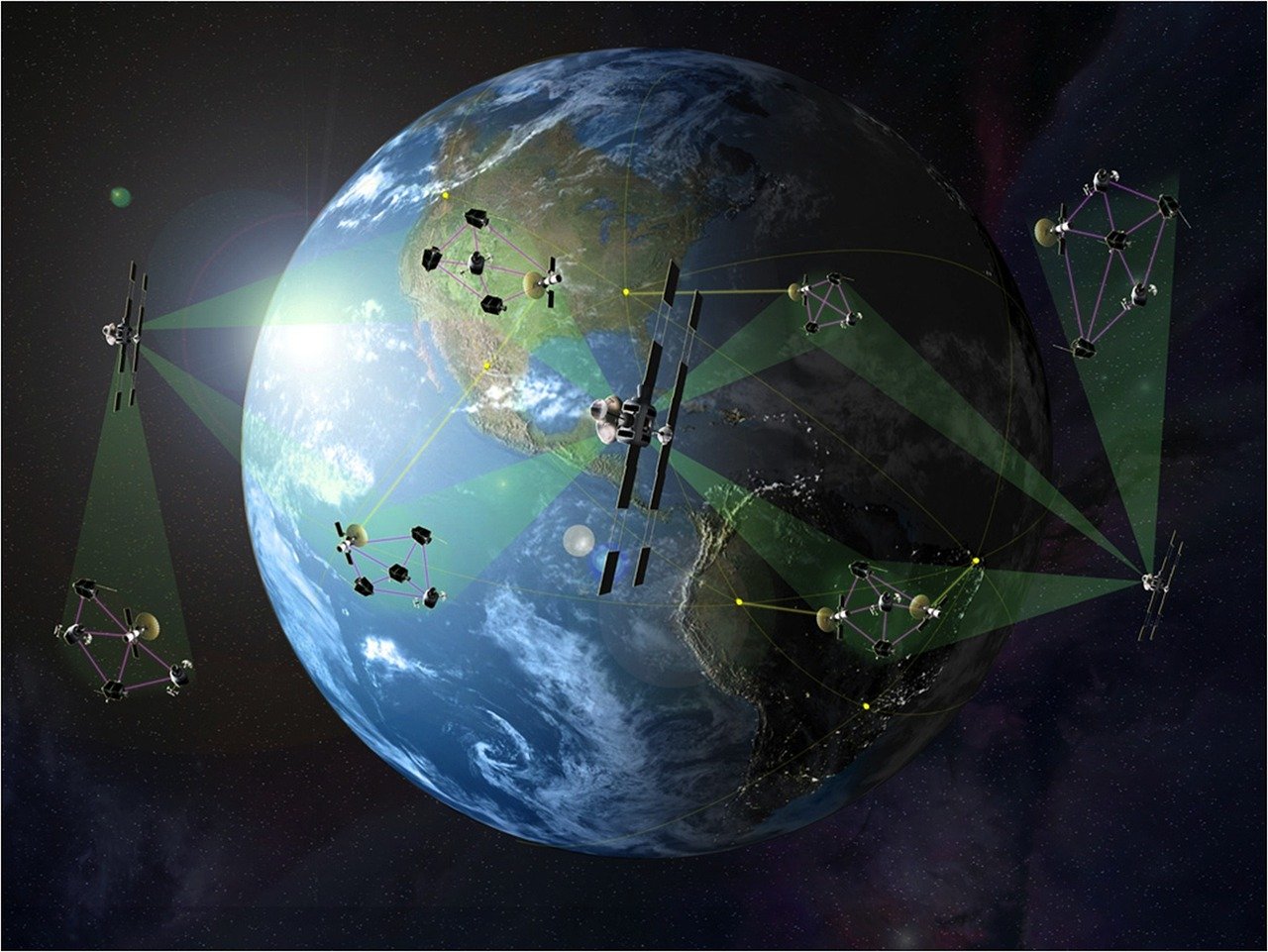
In this context, “environment” encompasses everything natural, including geographical areas and the related human activities that interact with these spaces.
IoT is increasingly fast and Satellite connectivity is indispensable
For remote areas, satellite connectivity is indispensable to meet the growing IoT demands of the market. Issues such as air pollution, global warming, and other environmental pollutants have a significant impact on the planet and are pressing global concerns. Monitoring pollutants like NO2 (a greenhouse gas) and particulate matter (e.g., PM2.5 and PM10) is essential for assessing and safeguarding environmental health.
The Internet of Things (IoT) is becoming increasingly crucial in addressing these challenges, thanks to a wide array of sensors that can continuously monitor environmental variables. IoT sensors are gaining popularity for their ability to measure and report on critical aspects of pollution and climate change in real time. However, the environmental data that we need often comes from vast and remote geographical areas, making traditional connectivity solutions ineffective or impractical.
To address the limitations of terrestrial networks in these remote areas, satellite connections have emerged as a critical component. The connection between IoT devices and satellites enables reliable data collection from isolated regions, which is particularly important in the era of AI, where vast datasets are needed to effectively analyze complex issues like climate change. Many of these essential data points are only obtainable from remote areas.
In this framework, massive connectivity is a key challenge, especially when IoT systems must cover extensive geographical regions without access to terrestrial network infrastructure. In such cases, satellites provide a viable solution for offering broad coverage and flexible, cost-effective connectivity. Low-orbit satellites, in particular, are efficient for supporting long-range IoT services, providing an optimal balance between coverage and latency. [1]
Recent market studies envision that the total number of connected IoT devices will reach 83 billion by 2024, rising from 35 billion connections in 2020. The industrial IoT (IIoT) sector by itself, that includes manufacturing, retail and agriculture, is forecast to account for over 70% of all IoT connections by 2024, with a grow of the number of IIoT units of 180% over the next four years. [2]
Advantages and Disadvantages about IoT satellites
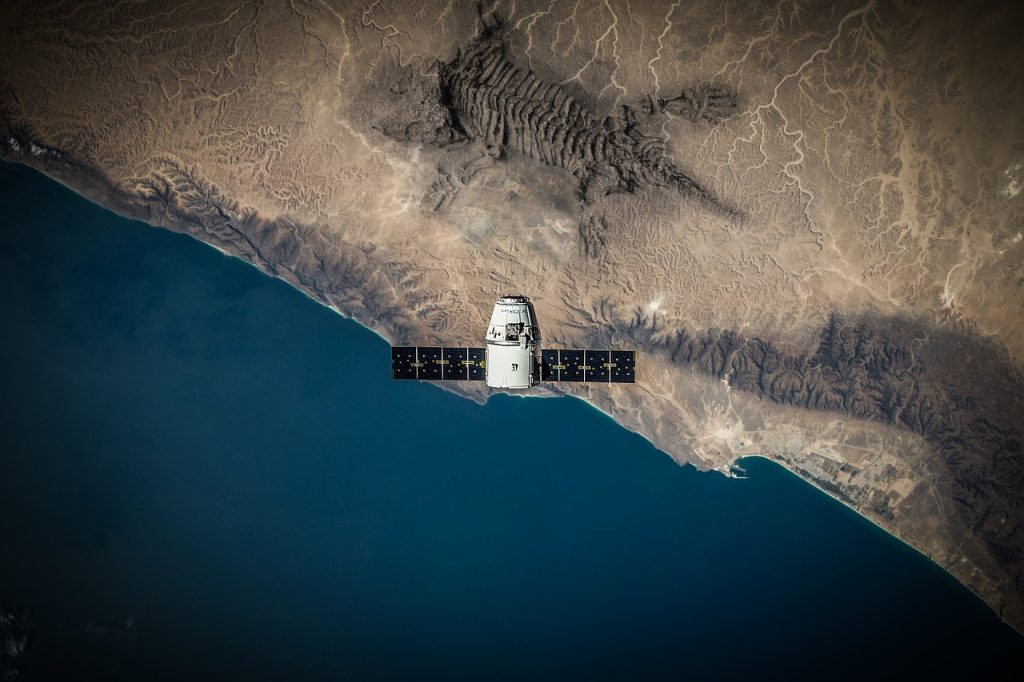
Indipendent LEO satellite contellations, typically consisting of small satellites like CubeSats [3] or PicoSats, are expected to provide a significant boost to IoT initiatives. Their low deployment cost is a major advantage, and their simplified structure allows for faster and easier construction. However, LEO satellites also come with certain disadvantages, including limited payload capacity and shorter operational lifespans. These factors are important considerations in the development of the “internet of space things”.[4]
Conclusion
The use of multiple communication protocols—such as Bluetooth Low Energy (BLE), LoRaWAN, Wi-Fi, LTE, and satellite interfaces—ensures flexibility and adaptability across diverse deployment scenarios and geographical locations. This versatility paves the way for a future where IoT, supported by satellite connectivity, plays a crucial role in enabling reliable monitoring and communication, especially in remote areas.
Stay informed and proactive about Apogeo’s Satellite IoT advancements to be at the forefront of creating smarter, more resilient cities that are ready to embrace the challenges and opportunities of tomorrow.
[1]IoT and Satellite Sensor Data Integration for Assessment of Environmental Variables: A Case Study on NO2 Jernej Cukjati * , Domen Mongus , Krista Rizman Žalik and Borut Žalik
[2] M. Rothmuller and S. Barker, “IoT–The Internet of transformation 2020,” Basingstoke, U.K., Juniper Res., White Paper, Apr. 2020
[3] M. De Sanctis, E. Cianca, G. Araniti, I. Bisio, and R. Prasad, “Satellite communications supporting Internet of Remote Things,” IEEE Internet Things J., vol. 3, no. 1, pp. 113–123, Feb. 2016
[4] M. R. Palattella and N. Accettura, “Enabling Internet of everything everywhere: LPWAN with satellite backhaul,” in Proc. Global Inf. Infrastruct. Netw. Symp. (GIIS), Oct. 2018, pp. 1–5